Sunday, September 19, 2010

Wednesday, September 15, 2010

death throes


Erik Satie - Gnossienne No. 1 (Reinbert de Leeuw)

Erik Satie - Gnossienne No.1

Frederic Chopin - Nocturne No.1 in B flat minor (Arrau)

Frederic Chopin - Nocturne No.1 in B flat minor

Tuesday, October 27, 2009

Winter is coming...

...and we all need company.

Hildur Guðnadóttir - Without Sinking (2009)


"I wanted to have open space for single notes and let them breath, like single clouds in a clear sky. As a contrast I also wanted create denser and heavier compositions which were more thundercloud like. I like the way clouds form, how many tiny droplets can form such dense forms and then slowly evaporate into thin string-like forms."

http://www.mediafire.com/?wzjvuojtcgw

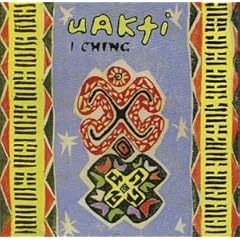
Uakti - I Ching (1994)


http://www.mediafire.com/?gezk2yvjnm3

Phil Ochs - The Early Years (2000)


"In mid-1975, Ochs took on the identity of John Butler Train. He told people that Train had murdered Ochs, and that he, John Train, had replaced him. Train was convinced that somebody was trying to kill him, and he carried a weapon at all times—a hammer, a knife, or a lead pipe"

The Early Years collects recordings from 1963-1966. The files are .m4a.

http://www.mediafire.com/?hzqmdqnzjj0

Arthur Russell - Another Thought (1994)


This picture is broken this is not the actual album cover i am not going to fix it

"This was a guy who could sit down with a cello and sing with it in a way that no one on this Earth has ever done before, or will do so again." - Phillip Glass

http://www.mediafire.com/?tljtyznjny2

Bad Religion - No Control (1989)


http://www.mediafire.com/?ndtyn4ckwtw


Monday, October 5, 2009

Goodnight Mercedes Sosa...


Mercedes Sosa - Canciones con Fundamento (1965)


Sosa's second record, Canciones con Fundamento is a collection of Argentine folk songs.

http://www.mediafire.com/?zyminnfzndj

Mercedes Sosa - 30 Años (1994)

http://www.mediafire.com/?djmyjzkq0jh

Violeta Parra - Últimas Composiciones (1967)


The first track, "Gracias a la Vida," was covered and popularized by Sosa.

http://www.mediafire.com/?ewifhjwm5zh


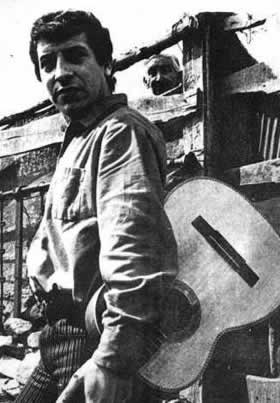
Victor Jara - Pongo en tus manos abiertas (1969)


http://www.mediafire.com/?mwwzrkjznwh


Goodnight Mercedes Sosa.

Sunday, September 20, 2009

High school music.

These are things I used to listen to a lot but don't really listen to anymore but was recently reminded of and remembered how amazing they are and now I am listening to them again:

Mount Eerie - No Flashlight (2005)


Mount Eerie - The Drums from No Flashlight (2005


http://www.mediafire.com/?nnittkdonnj

Someone Still Loves You Boris Yeltsin - BROOM (2006)


http://www.mediafire.com/?hm1otmmi4fj


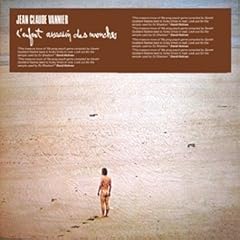
Jean-Claude Vannier - L'Enfant Assasin des Mouches (1972)


"This set is the terrain where soundtrack music, classical music, gauche pop, hard rock, French café music, Middle Eastern modal music, vanguard musical iconoclasty, and sound effects collide, stroke, and ultimately come into union with one another -- often in a single cut. This music is alternately violent, garish, tender, elegant, silly, and gritty."

Those are some words. This is an album:

http://www.mediafire.com/?o4ojzzlzyzz


Bill Holt - Dreamies (1972)


Bill Holt was working for a Fortune 500 company and then in 1972 he realised that the world was just way too trippy so he quit his job and recorded an album with an acoustic guitar and other things. Dreamies is a gorgeous acoustic folk album full of layered harmonies and other things that soar mixed up with sound collage of the experience of living through the late 1960s/early 1970s.

http://www.mediafire.com/?jz1xk4y5jx5


Peter and the Wolf - The Ivori Palms (2007)


http://www.mediafire.com/?wdlzjnuzw2u

Montreal has the greatest church bells. And crazy big fires:

http://www.cbc.ca/canada/montreal/story/2009/08/19/montreal-plateau-fire.html

Monday, April 20, 2009

Some more months later...


Phillip Glass and Uakti - Aguas de Amazonas (1999)


Uakti is a Brazilian instrumental quartet known for making their own instruments. Apparently Phillip Glass really liked them, so they made an album. IT ACTUALLY SOUNDS LIKE A RIVER! No joke.

Phillip Glass and Uakti - Aguas de Amazonas

Istanbul Oriental Ensemble - Grand Bazaar (2006)


Istanbul Oriental Ensemble - Grand Bazaar

Labi Siffre - Remember My Song (1975)


Labi Siffre - Remember My Song

Various Artists - The Art of Field Recording Vol. 2 (2008)


Various Artists - The Art of Field Recording Vol. 2, Discs 1 & 2

Various Artists - The Art of Field Recording Vol. 2, Discs 3 & 4

Thursday, December 4, 2008

Six months later...

...I decided to upload some things. So here's a bunch of things.
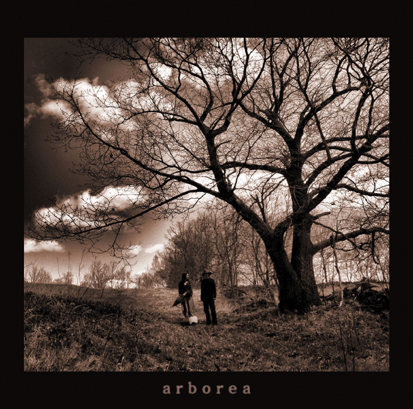
Arborea - Arborea (2008)


Lovely duo from Maine playing very pretty folk. Mixes a contemporary free folk sound with 60s English folk.

Arborea - Arborea (2008)
http://www.mediafire.com/?g3ywmrhmngc
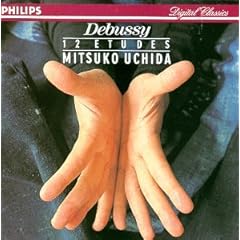
Claude Debussy - 12 Etudes (piano: Mitsuko Uchida) (1990)


Claude Debussy - 12 Etudes (piano: Mitsuko Uchida) (1990)
http://www.mediafire.com/?ydyj0me20zm

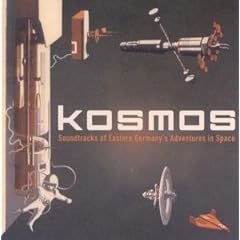
Kosmos - Soundtracks of Eastern Germany's Adventures in Space (2005)


Soundtracks from German sci-fi movies from the 60s and 70s. Ok?

Kosmos - Soundtracks of Eastern Germany's Adventures in Space (2005)
http://www.mediafire.com/?quztnwktzm5

Lee Ranaldo - Maelstrom From Drift (2008)


"blazah!"

Lee Ranaldo - Maelstrom From Drift (2008)
http://www.mediafire.com/?0dv2ytaywkm
A Hawk and A Hacksaw - Darkness at Noon (2005)


A Hawk and A Hacksaw - Darkness at Noon (2005)
http://www.mediafire.com/?mjtmjnzotyk

Tuesday, May 20, 2008

Circulatory System - Circulatory System (2001) + Inside Views (2001)


Circulatory System is the brainchild of former Olivia Tremor Control songwriter Will Cullen Hart. Following the OTC's decision to go on indefinite hiatus, Hart decided to hole up in his Athens, GA home and focus on painting. Slowly he began to turn out new songs and, recruiting the help of most of the members of the OTC as well as The Instruments' Heather McInstosh and Neutral Milk Hotel's Jeff Mangum, produced Circulatory System's self-titled debut.

Much darker and gloomier than anything from the Olivia Tremor Control, and lacking the more experimental musique concrete parts of the OTC, Circulatory System is an incredible collection of pretty, trippy tunes. Pretty much one of my favourite albums, it's the kind of thing that you never get tired of hearing. It's fucking incredible.


Following the release of Circulatory System, Hart decided to "remix" the album. Here's the description of Inside Views from www.cloudrecordings.com:

"Cut and paste style fragments, demos and animation derived from pieces of the circulatory system album. These elements are spliced, electronically altered and juxtaposed for a reinterpretation of the sounds. The result is a peek into the sonic architecture of their album.
(set your CD player to 'shuffle' mode when playing this recording)

- reanimation by will h.

(each CD case has a unique bird picture.)"

Inside Views rearranges the original album into a whole new entity, and is equally incredible. It sounds amazing when played in sequence, but it becomes even more fascinating when shuffled. Every time you listen it's basically a different album, and no matter how you order the tracks it always sounds cohesive, and it is always beautiful.

Hart's paintings are also pretty incredible. Check them out here:
http://www.cloudrecordings.com/artwork.html

Circulatory System have also been working on a new album for about as long as anyone can remember. It's been due to come out for about the last four years, but keeps getting pushed back. However, last April, member John Fernandes wrote:

"i just posted some new music on the circulatory system myspace page.
progress is now being made on the record, a possible 'side one' has been put together with help from charlie of 63 crayons.
hopefully the new album will be released this fall."

So here's hoping... and here's music...

Circulatory System - Circulatory System

Circulatory System - Inside Views

Buy the albums here.

(Also, I realised the links are a bit confusing so the album covers are now download links as well.)

Tuesday, May 13, 2008

Steve Reich - Music For 18 Musicians (1974-1976)


From Wikipedia:

"The piece is based around a cycle of eleven chords. A small piece of music is based around each chord, and the piece returns to the original cycle at the end. The sections are aptly named "Pulses," and Section I-XI. This was Reich's first attempt at writing for larger ensembles, and the extension of performers resulted in a growth of psycho-acoustic effects, which fascinated Reich, and he noted that he would like to "explore this idea further". A prominent factor in this work is the augmentation of the harmonies and melodies and the way that they develop this piece. Another important factor in the piece is the use of human breath, used in the clarinets and voices, which help structure and bring a pulse to the piece. The player plays the pulsing note for as long as he can hold it, while each chord is melodically deconstructed by the ensemble, along with augmentation of the notes held. The metallophone (unplugged vibraphone), is used to cue the ensemble to change patterns or sections.
Some sections of the piece have an ABCDCBA structure, and Reich noted that this one work contained more harmonic movement in the first five minutes than any other work he had written."

Oh Steve.

Steve Reich - Music For 18 Musicians

Buy the album here.

John Cale - Paris 1919 (1973)


John Cale - Paris 1919

Buy the album here.

(This and the previous album are sendspace links, so they may not be around for very long, if anyone wants a re-upload, leave a comment)

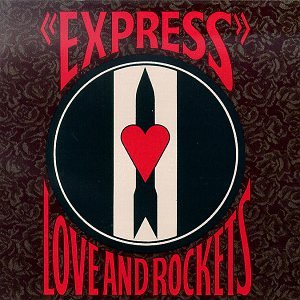
Love and Rockets - Express (1986)


An album only partially about trains.


Love and Rockets - Express

Buy the album here.

Monday, April 28, 2008

Bon Iver - For Emma, Forever Ago (2007)


It's been a while since last anything, so here's something!

Following the break-up of his long-time band DeYarmond Edison, Justin Vernon decided to go for a fourth month winter stay in a cabin in a the middle of nowhere, Wisconsin. Out there with a guitar and his feelings, he recorded a series of lush, melancholy folk songs. Mostly based around acoustic guitar and Vernon's soulful falsetto, For Emma, Forever Ago sounds like a heartfelt expression of loneliness, and it's pretty as fuck.

Bon Iver - For Emma, Forever Ago (2007)

Buy the album here.

Monday, April 7, 2008

The Mountain Goats - Come, Come To The Sunset Tree (Vinyl) (2005)


The vinyl only companion to John Darnielle's 2005 album The Sunset Tree. A limited edition sold only on tour featuring demo versions and b-sides. All the songs are acoustic guitar and voice only, stripped down from the actual album's much more produced sound. And they're just better.

For Lauren.

The Mountain Goats - Come, Come To The Sunset Tree (Vinyl) (2005)

Buy it on ebay or something, punk.

Thursday, March 27, 2008

John Cage - Sonatas and Interludes for Prepared Piano (1946 - 48)


The prepared piano is a piano which has had objects placed between or on the strings, or on the hammers or dampers. "Preparing" the piano in this way alters the instrument's timbre, creating a whole new range of sounds. No musician is more associated with the prepared piano than John Cage, who used it extensively and popularized it.

Sonatas and Interludes is probably his most accessible and popular work. It was inspired by Cage's study of Indian philosophy, and the composition is partly a pursuit of the Hindu ideal of tranquility. The preparation of the piano involved placing nuts, bolts and pieces of rubber in between and wrapped around the strings. For the most part, the sounds created are either sonorous bell tones or more percussive than a usual piano (though not in this piece, Cage attempted to recreate an entire percussion ensemble using just a prepared piano).

These compositions have practically nothing in common with classical sonata form (his choice of that particular term seems completely arbitrary). Cage borrowed heavily from Eastern music, in particular traditional Indonesian gamelan (a heavily percussive ensemble). The main appeal of Sonatas and Interludes (for myself at least) is the rhythmic structuring. Cage's approach to rhythm is deeply mathematical, placing every note very specifically. Exactly what the patterns are is way, way beyond me. Still, while most listeners may not be able to understand why, one can't help feel the intensely ordered nature of the music. It's pretty cool.

John Cage - Sonatas and Interludes for Prepared Piano

Buy the album here.

Monday, March 24, 2008

Pixies - Surfer Rosa (1988)


A request by Mark. Timeless classic etc.

Also I'm pretty sure that this cover is responsible for my first encounter with breasts not belonging to my mother.

Pixies - Surfer Rosa (1988)

Buy the album here.

Thursday, March 13, 2008

Philip Glass - The Qatsi Trilogy (1983, 1988, 2002)


Koyaanisqatsi: Life out of Balance,
Powaqqatsi: Life in Transformation and Naqoyqatsi: Life as War comprise a trilogy of films by director Godfrey Reggio. The films consist primarily of slow motion and time-lapse photography images of cities, landscapes, and people. There is no dialogue or narration. The three films explore the relationship between humanity, technology and nature. So far, I've only seen the Koyaanisqatsi, the first in the trilogy, and it was phenomenal.

A huge component of what makes these films so powerful is the music of minimalist composer Philip Glass. While preparing the first film, Reggio was determined to have Glass soundtrack it. However, when he approached the composer, he was immediately rebuffed. Glass alledgedly told him simply, "I don't do film music." Reggio persisted, and after several more refusals, he prepared a photo montage of of material from the film and put it to Glass' music. After watching it, Glass immediately agreed to produce the score.

The music is breathtaking. The films may contain no dialogue, but the Glass's compositions are expressive enough to create a narrative of their own. Koyaanisqatsi, in keeping with its chronological place in Glass's discography, is most similar to his earlier minimalist works. However, its symphonic grandeur keeps it from being overly esoteric. The music mirrors the movie's point: there's a clear contrast between the 'music of nature' and the 'music of technology.' As the film builds its chaotic atmosphere, the music follows as the tempo and dynamics pick up, and the looming calm of organs and strings give way to blaring horns and synthesizers.

Powaqqatsi kicks off in somewhat different fashion: chaos. The first track is a jumble of percussion behind the voices children's choir. Synthesizers are much more present than on Koyaanisqatsi, but they work seamlessly with the orchestra, and the overall feel is still one of symphonic majesty. Vocals, often children's, pop up here and there when you least expect it. Some of the tracks throw so many parts together that it sounds like a mad clutter, but Glass fits it all in just right.

In many ways, Naqoyqatsi seems almost a return to the style of the first soundtrack. For one thing, the same booming chants show up on the opener as on Koyaanisqatsi. However, there's also a much more naturalistic feel than on the second installment, perhaps as a counterpoint to this film's more advanced digital techniques. A chance meeting with Yo-Yo Ma resulted in Glass enlisting the legendary cellist's aid, and Ma's cello makes up the centerpiece of the soundtrack. All the pieces are thematically linked so seamlessly that the entire album possesses a sense unity absent from its predecessors.

Typical of Glass, all three albums contain significant elements of world music. A wide variety of instruments, ranging from a traditional orchestra to didjeridoos and the like, as well relatively subdued electronics. Like all good soundtracks should, these albums stand up as great works independent of the film. However, from my experience with Koyaanisqatsi, they are tremendously enhanced by the visual experience, and I highly recommend seeing any of these if you get the chance.

Philip Glass - Koyaanisqatsi: Life out of Balance (1983)

Philip Glass - Powaqqatsi: Life in Transformation (1988)

Philip Glass - Naqoyqatsi: Life as War (2002)

Thursday, March 6, 2008

Karlheinz Stockhausen - Kontakte (1959-1960)


A description by Thomas May:

"One of the ironies of German composer Karlheinz Stockhausen's career is the way in which his radical approach to music--once the epitome of the most esoteric avant-gardism--has been filtered into popular culture. The influence of this visionary pioneer of electronic music extended to the studio experiments of the Beatles (particularly in Sgt. Pepper's) and can still be heard in the sampling of today's techno records. The seminal Kontakte (1959/1960) introduced a brave new world of aural experience, replacing traditional music's linear flow of development with the concept of "Moment Form"--Stockhausen's catchphrase for concentrating on the validity of the "now," of each particular musical gesture independent of its larger context. He originally conceived of the work as purely electronic sounds, but this second version introduces two live players (a pianist and percussionist) interacting--in points of "contact"--with a prerecorded array of frequencies. On first impression, Kontakte may seem nothing more than a 35-minute babble of chaotic noises (though it is, paradoxically, planned to a very high level). Forget about the theory, forget about the once-utopian dreams of giving music the prestige of scientific objectivity, and just listen to the stream of electronic burps, squawks, whizzes, and--toward the conclusion--serene cloudlike mists as they metamorphose. It's a stunning soundscape and document of a particularly potent period of revolution in modern music. "

Karlheinz Stockhausen - Kontakte (1959-1960)

Jamie Lidell - Multiply (2005)


Once upon a time, Jamie Lidell was a laptop-twiddling techno producer and one half of beat-blasting duo Supercollider. But he wanted to SING! So he did. Multiply is, at first listen, a blast from the past, an attempt to bring 70s disco and soulful Motown back to life. And Lidell's got the voice to do it too. He belts his tunes with as much soul as Otis, Marvin or Prince ever put out. The production might sound equally retro at first, which would make this album nothing more than a quality throwback, but it doesn't take too long to realize there's something distinctly modern going on here. Clearly, Lidell couldn't just totally ditch what he knew, and he throws in all kinds of glitchy beats and digital flourishes that'll suddenly remind you what decade you're in. He also does a whole bunch of crazy fooling with his vocals, beaboxing here and there or cutting up little bits of singing up and looping or layering them, making for an even more unusual background to his soulful singing.

Jamie Lidell - Multiply (2005)

Buy the album here.

Thursday, February 21, 2008

The Beach Boys - Smile (Unreleased)


A collection of bootlegs from the 66-67 sessions. There are many different cuts of these songs out in the world, and most of what was recorded during the Smile sessions isn't here; this is by no means comprehensive. But it's what the album might have looked like in terms of track inclusion and ordering, Brian Wilson's "teenage symphony to God," or at least something like it.

The Beach Boys - Smile

Tuesday, February 19, 2008

The Tango Saloon - The Tango Saloon (2006)


Based in Sydney, Australia, the Tango Saloon is one of the many projects of multi-instrumentalist Julian Curwin. On The Tango Saloon, Curwin leads a 15 member band in a modern revision of tango and Ennio Morricone-style spaghetti western soundtrack. A wide range of of strings, brass, woodwinds and percussion pop up here and there throughout the album, and at times it even verges on electronic experimentation. Bits of free jazz get meddled with country-western and Cuban music as Curwin explores the depths of Tango. There's a lot to listen for if you pay attention, but The Tango Saloon also makes for nice, relaxing background music (well, except for a brief period of fragmented, dissonant chaos near the middle).

The Tango Saloon - The Tango Saloon (2006)

Buy the album here.